Lesson Plans &
Teaching Material
Explore value-based teaching resources
Explore a curated collection of teaching materials designed to support learning about values, participation, and democratic life in the classroom and beyond. You can search by age group, values, and subjects to quickly find resources that fit your educational context. Use the filters to narrow down your results and discover materials that encourage critical thinking, dialogue, and active engagement.
Find the right material
Use one or more filters to find resources that match your learners and teaching context.
Lesson plans & teaching materials
Explore the available materials or refine the selection using the filters above.
-

Can something be fair to some people while being unfair to others?
This three-lesson sequence explores children’s ideas of fairness and justice. Pupils examine different principles of justice through discussion and group work, using a fictional scenario about distributing zoo tickets fairly. They compare options, justify decisions, and reflect on differing perspectives. The lesson fosters perspective-taking, discussion skills, and early political judgment.
-
Every Day is Children’s Rights Day
Using a children’s rights diary, students explore which rights children have and what the consequences would be if these rights were not granted. In this activity, they reflect on their own life situations and compare them with those of other children. Age group 11 – 14 years Duration 1 to 3 lessons, depending on intensity…
-
Freedom unlimited
Participants explore the idea of freedom of expression using a number of case studies. They need to decide what to do with comments or communications which are controversial, abusive or potentially dangerous. Age group 14 – 18 years Duration 45 minutes Learning goals & outcomes To explore the concept of freedom of expression To understand…
-
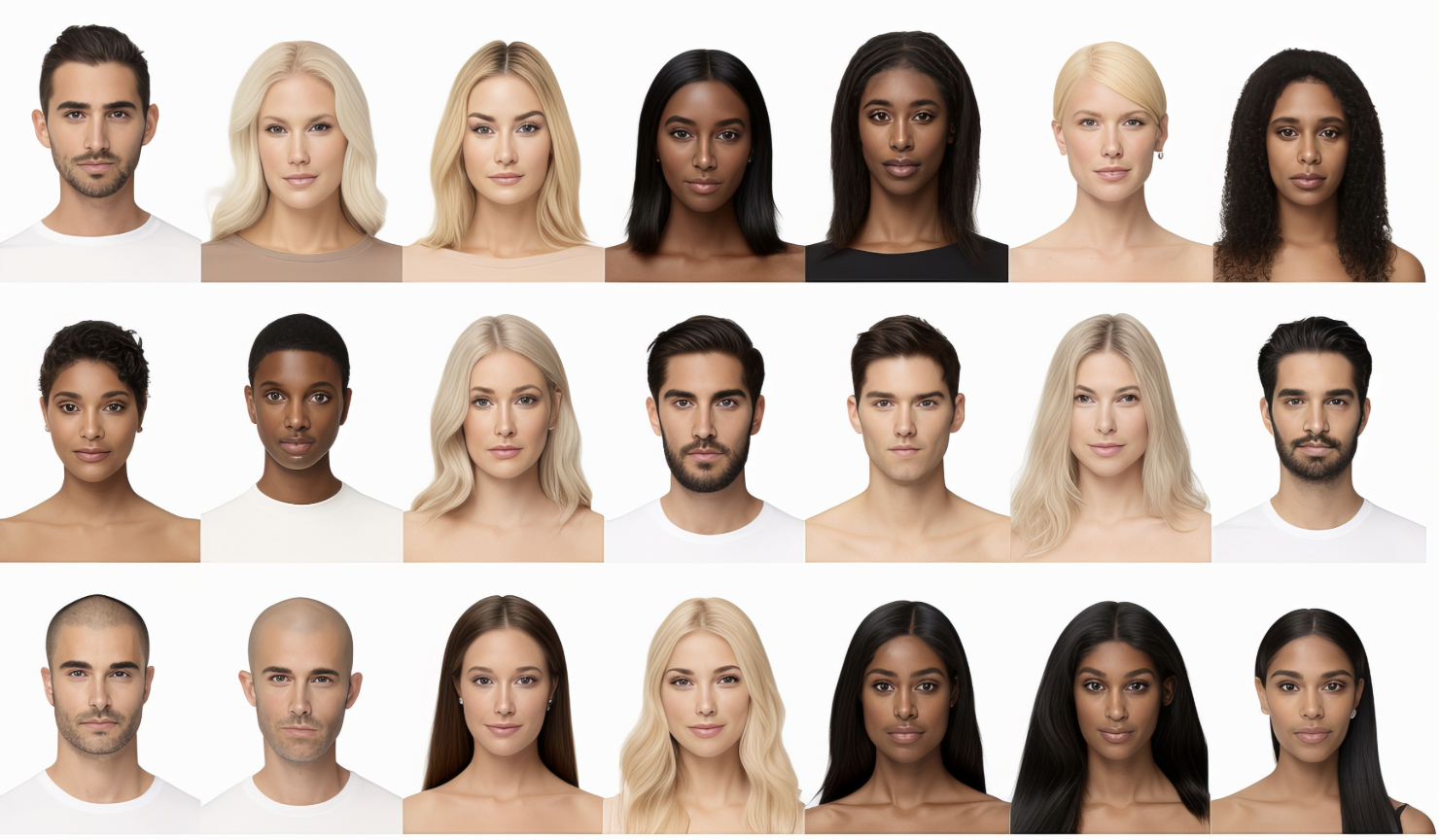
Does AI recognise the diversity of our world
Using the example of image-generating AI, learners explore participation and inclusion in the digital sphere. They compare an AI-generated image of Vienna’s population—or that of another city, using appropriate local data—with statistical information and examine which social groups are represented, underrepresented or absent. In doing so, they reflect on how biases in AI training data…
-

What is private information?
Learners learn to distinguish between private or personal information and general information. Through everyday situations, they consider which information should be protected and how they can respond when someone asks them to share it. In doing so, they develop a basic understanding of privacy and their right to set personal boundaries. Age group 8 –…
-

Shared Values in Europe – Reality or Illusion?
In this lesson, students explore the core values and goals of the European Union and analyze how these values are perceived and practiced across EU member states. By working with the Atlas of European Values, they compare attitudes on social and political issues, identify controversial values, and reflect on differences between countries. The lesson encourages…
-

Bicycle Lane or Parent Taxi – Local politics up close
This lesson plan for Year 7 (secondary school) transforms local politics, often perceived as dry, into a lively, student-centred learning setting. Instead of passively learning about the structure of a community (e.g. via diagrams), learners become active participants in a realistic local conflict: the establishment of a cycle lane in front of their own school…
-

David versus Goliath – The case of Saúl Luciano (climate justice and glacier melt in the Andes)
This lesson plan for Year 9 (secondary school) transforms a complex legal and ecological issue into a lively, student-centred learning setting. Instead of passively learning about glacier melt in the Andes (e.g. through documentation), learners become active participants in one of the most significant climate processes of our time: Saúl Luciano Lliuya v. energy giant…