Things we find useful
Resources and perspectives from our network
In this section, members of our network share resources, methods and approaches they find useful in practice. Alongside recommendations from educators and practitioners, we also asked students what they find useful when exploring democratic values in the classroom.
Resources we truly recommend

Patricia Hladschik, polis – the Austrian Centre for Citizenship Education in Schools
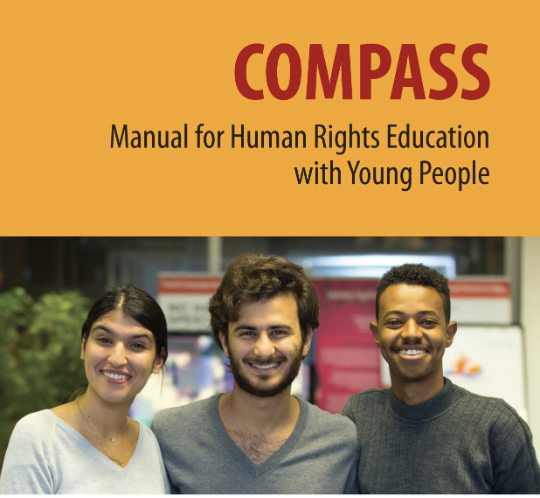
I strongly recommend this manual because it contains exceptionally high-quality, interactive exercises that have been extensively tested and proven effective in practice.
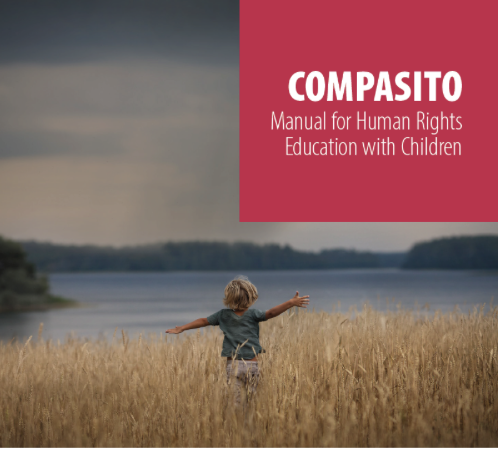
Compass and Compasito are flagship educational resources of the Council of Europe and are available in almost all Council of Europe languages.
There is no better tool for introducing human rights education: they offer engaging, learner-centred activities that make human rights tangible, relevant, and accessible for different age groups. My favourite activities for younger children are: Sailing to a new land, Rabbit Rights, Take a small step forward.

Sabine Roehrg-Mahhou, Wisamar Bildungsgesellschaft gGmbH, a non-profit education provider and coordinator of the VAL-YOU project
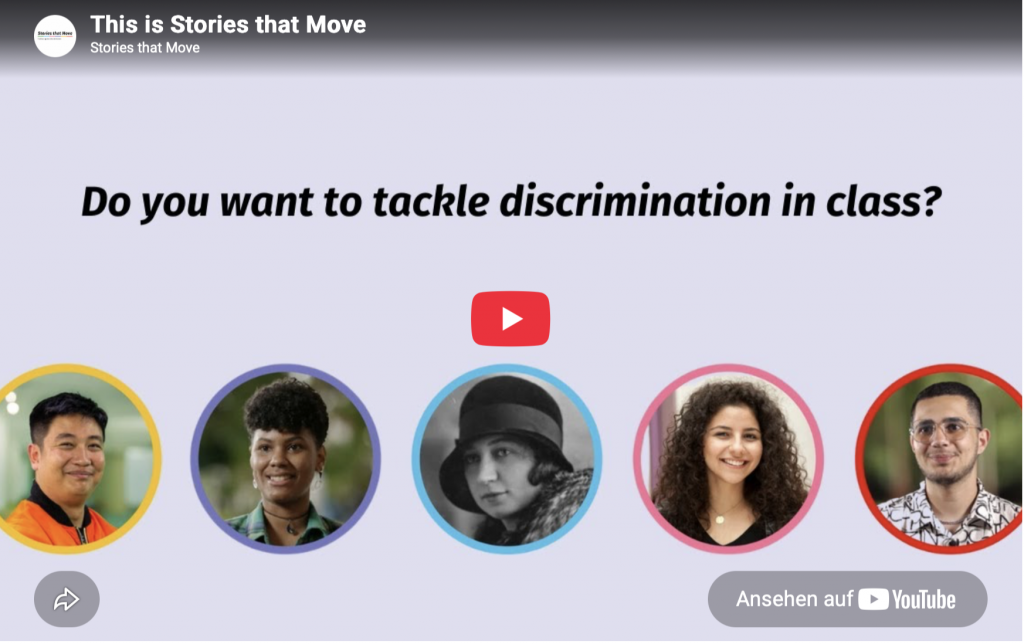
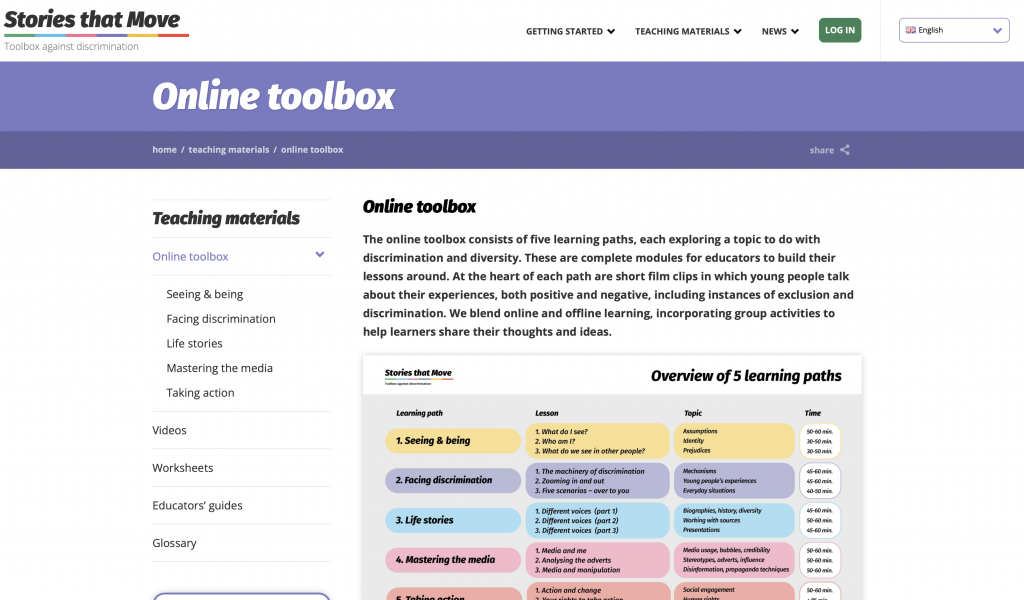
I recommend Stories that Move, a free educational platform developed by the Anne Frank House and its partners. Its online toolbox offers five learning paths with video interviews, worksheets and educators’ guides on identity, diversity, discrimination, media and taking action.
What I particularly value is its use of storytelling. At Wisamar, we work extensively with this method because personal stories make complex social issues accessible and relatable. Young people’s experiences introduce different perspectives and encourage learners to reflect on their own assumptions and discuss prejudice, belonging and inequality.
The materials combine online and offline activities and can be used in civics, history, ethics, social sciences and language teaching. They are available in nine languages.

Ingrid Ausserer, polis – the Austrian Centre for Citizenship Education in Schools
The European Citizens’ Initiative (ECI) is an important instrument of democratic participation. It enables citizens to bring their concerns to the European level. However, many (young) people are still unaware of this opportunity for civic participation.
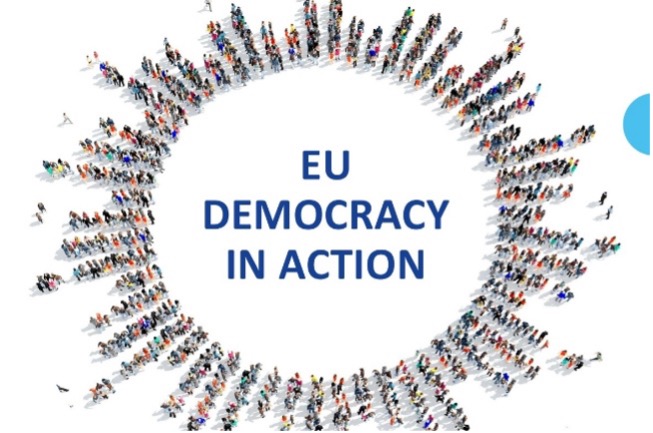
A great way to introduce young people to the European Citizens’ Initiative is through the educational toolkit “EU Democracy in Action” (European Union, 2025), designed for upper secondary education.
Consisting of four sequential modules and accompanying teacher support materials, the toolkit allows students to explore the ECI in a practical and engaging way. By the end of the course, students develop an understanding of the purpose and functioning of the ECI, its importance for democracy in the European Union, and how it can influence political decisions that affect their own lives.
As an added bonus, students who complete the toolkit can also receive a certificate, recognizing their participation and learning.

Angelo Cioeta, APS Polygonal, an Italian non-profit organization promoting social innovation, digital skills, and youth engagement.
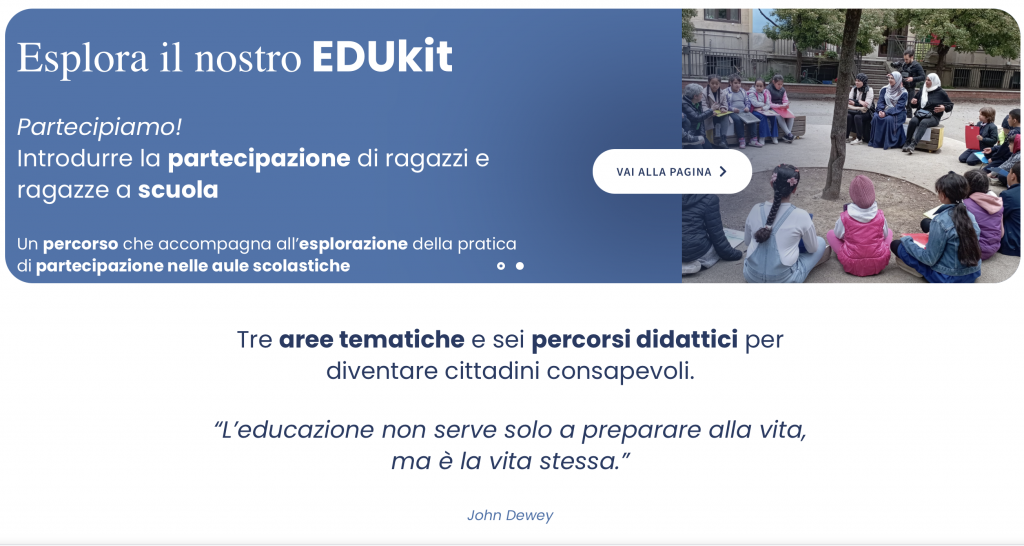
I would recommend Partecipiamo!, a practical educational toolkit focused on student participation and democratic engagement at school.
Developed through an experimental process involving schools in Milan, it offers teachers a structured pathway to help students understand participation, explore different ways of getting involved and experiment with participatory activities in the classroom. Rather than approaching democracy only theoretically, the toolkit encourages students to experience participation directly through activities and discussions.. The materials are available in Italian and can be adapted to different classroom contexts and age groups.
I would also recommend the Generazioni Connesse Educational Kit, which provides practical classroom materials on digital citizenship.
The kit includes activities on topics such as digital identity, privacy, online relationships, cyberbullying and responsible use of digital technologies. Students are encouraged to discuss and reflect on situations they may encounter in their everyday digital lives.
Its hands-on materials can be integrated directly into classroom work and provide a useful basis for exploring critical thinking and responsible participation in digital environments.

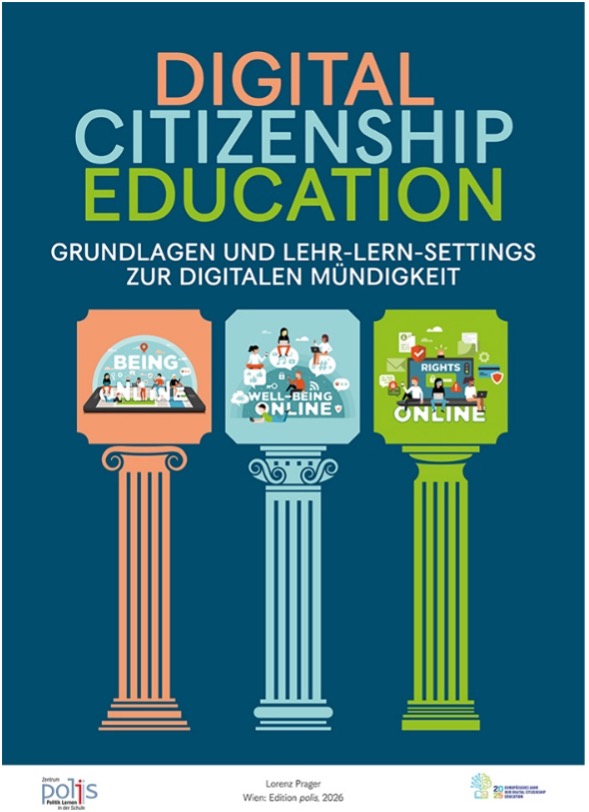
Lorenz Prager, polis – the Austrian Centre for Citizenship Education in Schools – University of Education Upper Austria
I strongly recommend this resource because it combines concise background information on Digital Citizenship Education with practical teaching activities for the classroom. It helps students reflect on how values are embedded in technology and how European values can be strengthened in the digital sphere.
The material makes clear that digital freedom requires informed and autonomous choices, while digital justice also means addressing unequal access, algorithmic bias, surveillance, and the commercial use of personal data. I particularly value its practical, cross-curricular approach and its focus on critical reflection.

Nikolai Weber-Attems, polis – the Austrian Centre for Citizenship Education in Schools
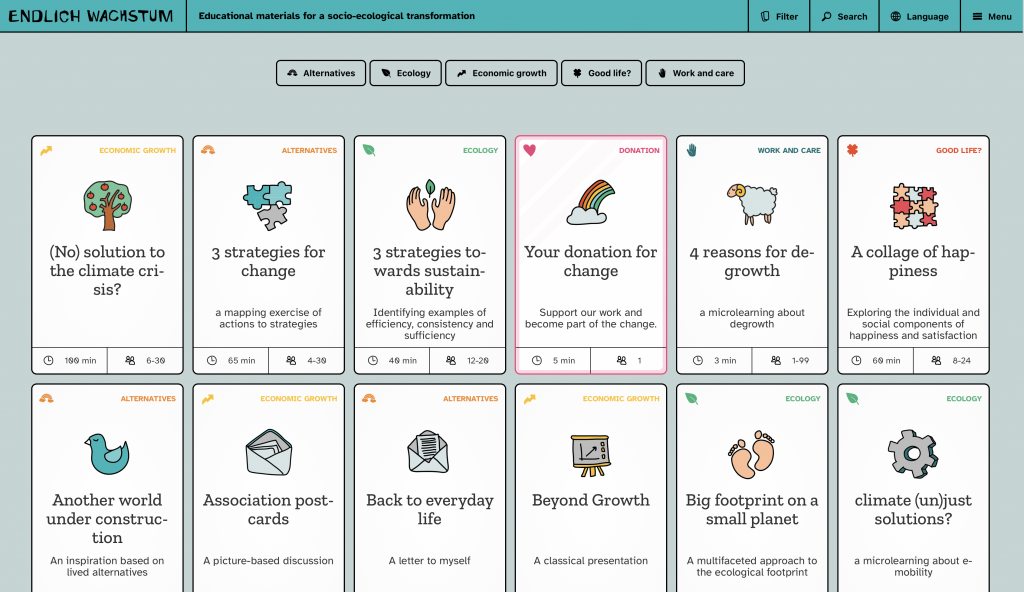
This collection of educational materials for socio-ecological transformation has accompanied me from the beginning of my work with groups all the way up until today. It covers a wide range of topics in the field of critical, self-reflective, transformational and empowering citizenship education. What I like most about these materials is that they are made by education practitioners, tested in the field and continuously updated. When I use one of these methods in a workshop, I often get good feedback because they are fun, creative, original and allow the participants to gain a deep insight on a topic. You can search for a method that suits your needs by using the filter option. The tools are available in three languages: German, English, Spanish
Student perspectives
What do students themselves find useful when learning about values and democracy?

Miriam Mahhou, Student at EhrenBerg Gymnasium Delitzsch, student employee at Wisamar Bildungsgesellschaft
I really like role plays in the classroom because they help us see a topic from different perspectives. Instead of only talking about values such as freedom, equality or justice, we can experience situations where these values actually matter.
I especially enjoy role plays about topics that are connected to our everyday lives, such as social media, personal data, algorithms or freedom of speech online. By taking on different roles, we have to understand different interests and opinions. This also shows us that there is not always one simple or correct solution.